
Email marketing is a digital marketing strategy where businesses send emails to a group of people to promote products, services, or build relationships. It helps companies stay connected with their audience, share updates, offer discounts, and encourage customer loyalty.
It’s cost-effective, measurable, and a great way to directly reach your audience’s inbox.
How Email Marketing Works
At its core, email marketing works by collecting email addresses (often through website sign-ups, lead magnets, or online purchases), organizing them into segments or lists, and sending targeted email campaigns to those contacts. These emails can serve various purposes such as:
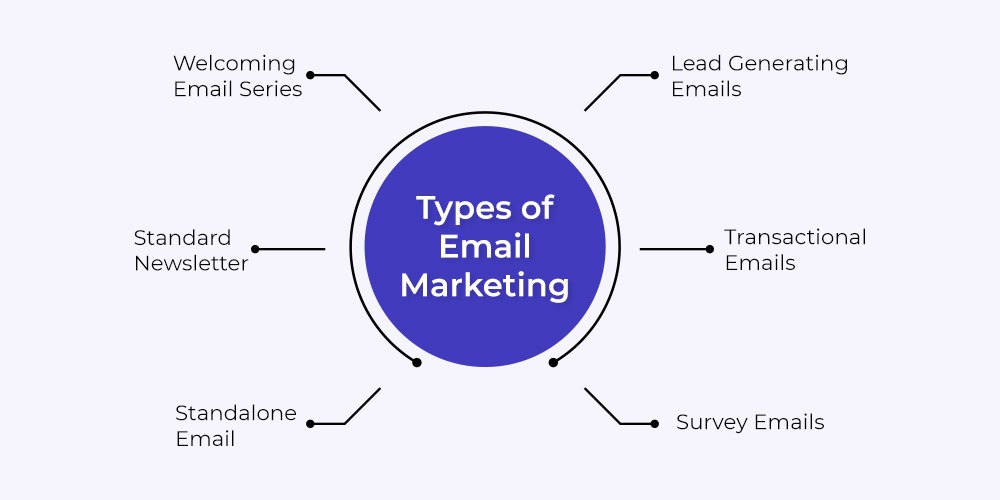
- Promotional Emails: Highlighting a new product, a special offer, or a seasonal sale.
- Transactional Emails: Order confirmations, shipping updates, or password resets.
- Newsletters: Regular updates that keep subscribers informed about the brand or industry.
- Automated Campaigns: Welcome emails, birthday greetings, cart abandonment reminders, and follow-up sequences triggered by user behavior.
Why Email Marketing is Important
- Direct Communication: Email allows you to communicate directly with your target audience. Unlike social media, where algorithms determine exposure, emails arrive directly in your subscriber’s mailbox.
- High ROI: According to numerous research, email marketing earns an average of Rs. 3300 to Rs. 4000 for every Rs. 90 spent.
- Personalization: You may adapt emails to customers’ preferences, prior behavior, geography, and other factors, making your message more relevant.
- Automation: Tools enable you to automate campaigns and deliver emails at the appropriate moment without requiring manual intervention.
- Measurable Results: Use extensive analytics to measure open rates, click-through rates, bounce rates, conversions, and more.
- Builds Loyalty: By giving great information and special deals, you create trust and keep your business at the front of mind.
Key Components of Email Marketing
- Email List: A collection of email addresses from people who have opted in to hear from you. Building a quality list is more valuable than just collecting large numbers of uninterested users.
- Email Content: Includes the subject line, body text, visuals, CTAs (Calls to Action), and any promotional offers.
- Email Design: A mobile-friendly, visually appealing format that aligns with your brand and enhances readability.
- Segmentation: Dividing your list into smaller groups based on criteria like demographics, purchase history, or engagement levels.
- Personalization: Using names, behavior data, and past interactions to tailor the message for each subscriber.
- Timing and Frequency: Choosing the best time and frequency to send emails without overwhelming the recipient.
Types of Email Marketing Campaigns
- Welcome Emails: Sent when someone subscribes to your list, introducing your brand and setting expectations.
- Product Announcements: Showcasing new arrivals, features, or product lines.
- Newsletters: Regular emails with curated content, news, blog posts, or tips.
- Event Invitations: Promoting webinars, sales events, or in-person gatherings.
- Re-engagement Emails: Sent to inactive subscribers to win back their attention.
- Cart Abandonment Emails: Reminding customers about items they left behind in their shopping carts.
- Follow-up Emails: After purchases, customer service interactions, or content downloads
Conclusion
Email marketing is a strong, adaptable, and cost-effective approach to connect with your target audience. Whether you’re a small company owner, a freelancer, or a huge brand, effective email marketing may help you develop your audience, improve sales, and establish long-term connections with your consumers. When done correctly with value-driven content, appropriate design, and deliberate scheduling, it may be one of the most profitable tools in your digital marketing campaign.