Uncategorized

Uncategorized

Top 6 Digital Marketers in Mumbai

Digital Nilesh Bhosle Digital Nilesh Bhosle is a certified digital marketer in Mumbai. Digital Nilesh has completed a Digital Marketing course at Grow Digital Institute, Mumbai. Contact: +91 9892154300 Website: http://digital-nilesh.co.in Email: digitalnileshb@gmail.com Digital AL Noor Khan Digital AL Noor Khan is a certified digital marketer in Mumbai. Digital AL Noor has completed a digital marketing course at Grow Digital Institute, Mumbai. Contact: +91 8657062130 website: https://digitalalnoor.co.in/ Email: digitalalnoorkhan@gmail.com Digital Sharmaji Digital Sharmaji is a certified digital marketer in Mumbai. Digital Sharmaji has completed a digital marketing course at Grow Digital Institute, Mumbai. Contact: +91 9137751962 website: https://digitalsharmaji.co.in/ Email: digitalsharmaji25@gmail.com Digital Sharmaji Digital Yogesh Chauhan is a certified digital marketer in Mumbai. Digital Yogesh has completed a digital marketing course at Grow Digital Institute, Mumbai. Contact: +91 9892815865 website: https://digitalyogesh.co.in/ Email: digitalyogeshchauhan23@gmail.com
Uncategorized

What is Search Engine Marketing ?

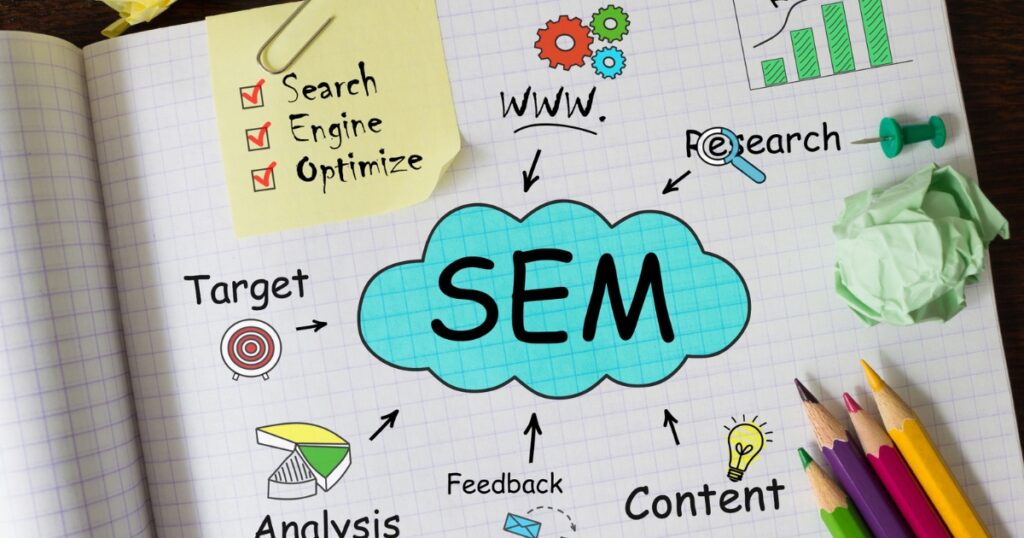
When you search for something on Google—like “best restaurants near me” or “buy running shoes online”—the first few results you usually see are ads. These ads are a part of something called Search Engine Marketing (SEM). In simple words, Search Engine Marketing is the process of promoting your business online using paid advertisements that appear on search engine results pages (SERPs). Businesses bid on keywords (the words people type into Google) so their ads appear when someone searches for them. SEM is one of the most effective ways to grow your business because it targets people who are already looking for what you offer.When you search for something on Google—like “best restaurants near me” or “buy running shoes online”—the first few results you usually see are ads. These ads are a part of something called Search Engine Marketing (SEM). Why is Search Engine Marketing Important? Search engines like Google, Bing, and Yahoo are where billions of people search for products and services every day. SEM allows you to reach potential customers exactly when they are searching. That makes it more powerful compared to traditional advertising methods. Here’s why SEM is so important for businesses: How Does Search Engine Marketing Work? SEM may sound complicated, but it works in a straightforward way. Here’s the process: Key Components of SEM To understand SEM better, here are the main components: 1. Keywords Keywords are the foundation of SEM. They are the words or phrases people type into search engines. Choosing the right keywords is crucial because they decide when your ad appears. 2. Pay-Per-Click (PPC) Ads Most SEM campaigns work on the PPC model. This means you pay only when someone clicks on your ad, not when it’s just displayed. 3. Ad Copy This is the text that appears in your ad. It needs to be clear, engaging, and have a call to action (like “Buy Now” or “Learn More”). 4. Landing Page When someone clicks your ad, they should be taken to a relevant page, not just the homepage. A good landing page improves conversions. 5. Quality Score Search engines assign a “Quality Score” to your ads based on how relevant your keywords, ad copy, and landing page are. A higher score means lower costs and better positions. 6. Ad Extensions These are extra features like call buttons, location info, or links to specific pages on your website. They make your ads more effective. Benefits of Search Engine Marketing Steps to Start with SEM If you’re new to SEM, here’s a simple way to begin: Final Thoughts Search Engine Marketing (SEM) is one of the best ways to promote your business online. It allows you to appear in front of potential customers at the exact moment they are searching for your product or service. With the right keywords, smart bidding, and engaging ads, SEM can drive more traffic, generate leads, and boost sales quickly. Whether you’re a small business owner or managing a large company, SEM gives you a fair chance to compete and grow online. If you’re looking for fast, measurable results, Search Engine Marketing is a strategy you can’t afford to ignore.

Uncategorized

What is Affiliate Marketing ?

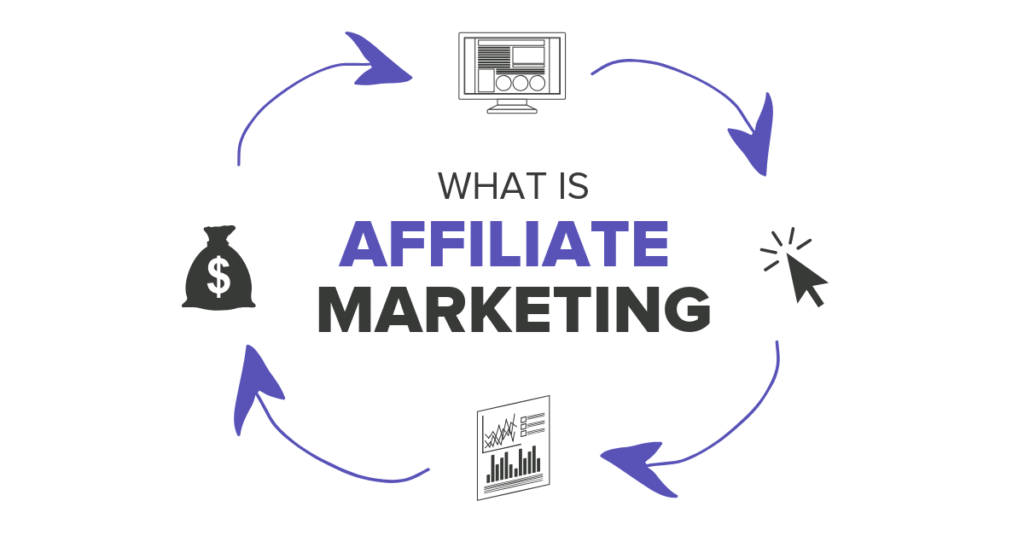
Affiliate Marketing is a performance-based online marketing strategy where a business rewards third-party individuals for driving traffic or sales to its products or services through the affiliate’s own marketing efforts. Detailed Explanation of Affiliate Marketing : Merchant (Advertiser/Brand):  This is the business or individual that sells a product or service. Examples: Amazon, Flipkart, or a software company like Bluehost or Canva. Affiliate (Publisher/Marketer):  This is a person or company who promotes the merchant’s products in exchange for a commission. They use their blogs, websites, YouTube channels, social media, or email lists. Affiliate Network :  Some affiliate programs are managed through a network like ShareASale, CJ Affiliate, or Impact. These networks track traffic, clicks, and commissions between the merchant and the affiliate. Customer (Buyer):  The person who clicks the affiliate link and makes a purchase. They pay the same price as a regular customer, but the affiliate earns a commission. Example of Affiliate Marketing: Let’s say you have a blog about gadgets. You write a review about a Bluetooth speaker and include an affiliate link to Amazon. If someone clicks your link and buys the speaker (or anything else on Amazon during that session), you earn a commission — usually a percentage of the sale. Types of Affiliate Marketing Models: Pay Per Sale (PPS):    You earn a commission when someone buys a product through your link. Pay Per Click (PPC):   You earn money just for getting users to click a link, even if they don’t buy. Pay Per Lead (PPL):   You earn a commission when someone signs up for a free trial, fills out a form, or becomes a lead. Where Affiliate Marketing is Used: Blogging & Content Marketing YouTube and Video Reviews Email Marketing Instagram, Facebook, and other Social Media Coupon & Deal Sites Product Comparison Sites Why Is Affiliate Marketing So Popular ?Low Investment: There is no requirement to manufacture or own things. Passive Income: Once content is published, it might earn for years. Scalability: You can market several products in different categories. Win-win: businesses gain more clients, while affiliates receive commission. Things to Keep in Mind: Always disclose affiliate links to maintain transparency. SEO and quality content are key to long-term success. Choose relevant and trustworthy products to build audience trust. Understand and comply with the terms and conditions of each affiliate program. Popular Affiliate Programs: Amazon Associates Flipkart Affiliate ClickBank ShareASale CJ Affiliate (Commission Junction) Hostinger/Bluehost/GoDaddy Affiliate Canva Pro Affiliate Udemy Affiliate Program

Uncategorized

What is Email Marketing ?

Email marketing is a digital marketing strategy where businesses send emails to a group of people to promote products, services, or build relationships. It helps companies stay connected with their audience, share updates, offer discounts, and encourage customer loyalty. It’s cost-effective, measurable, and a great way to directly reach your audience’s inbox. How Email Marketing Works At its core, email marketing works by collecting email addresses (often through website sign-ups, lead magnets, or online purchases), organizing them into segments or lists, and sending targeted email campaigns to those contacts. These emails can serve various purposes such as: Why Email Marketing is Important Key Components of Email Marketing Types of Email Marketing Campaigns Conclusion Email marketing is a strong, adaptable, and cost-effective approach to connect with your target audience. Whether you’re a small company owner, a freelancer, or a huge brand, effective email marketing may help you develop your audience, improve sales, and establish long-term connections with your consumers. When done correctly with value-driven content, appropriate design, and deliberate scheduling, it may be one of the most profitable tools in your digital marketing campaign.

Uncategorized

What is SEO ?

SEO (Search Engine Optimization) is the practice of optimizing your website and its content to improve its ranking on search engines like Google, Bing, or Yahoo. When people search for products, services, or information online, they usually click on the top results that appear on the first page. SEO helps your website appear in those top positions organically, meaning without paying for ads. SEO works by knowing how search engines operate and what people are looking for. It consists of numerous crucial aspects: 2. On-page SEO: It is the process of optimizing your website’s content, such as headers, titles, photos, and internal links, so that it is relevant and easy for search engines to interpret. 3. Technical SEO: It is the process of ensuring that your website runs quickly, is mobile-friendly, has secure connections (HTTPS), and has a clear structure that search engines can easily index. 4. Content Creation: is the process of creating helpful, creative, and engaging material that answers the queries of your target audience. This helps you establish authority and keeps people returning. 5. Off-Page SEO: Building your website’s reputation by earning high-quality backlinks from other trusted websites. This tells search engines that your site is trustworthy and valuable. 6. User Experience (UX): Ensuring your website is easy to use, navigate, and provides a good experience to the visitors – because search engines want to rank websites that are helpful and user-friendly. In summary, SEO is not a one-time action, but rather a long-term approach. When done effectively, it may lead to consistent, long-term benefits by increasing your website’s exposure, traffic, and, eventually, business – all without the need to continuously pay for adverts.

Scroll to Top